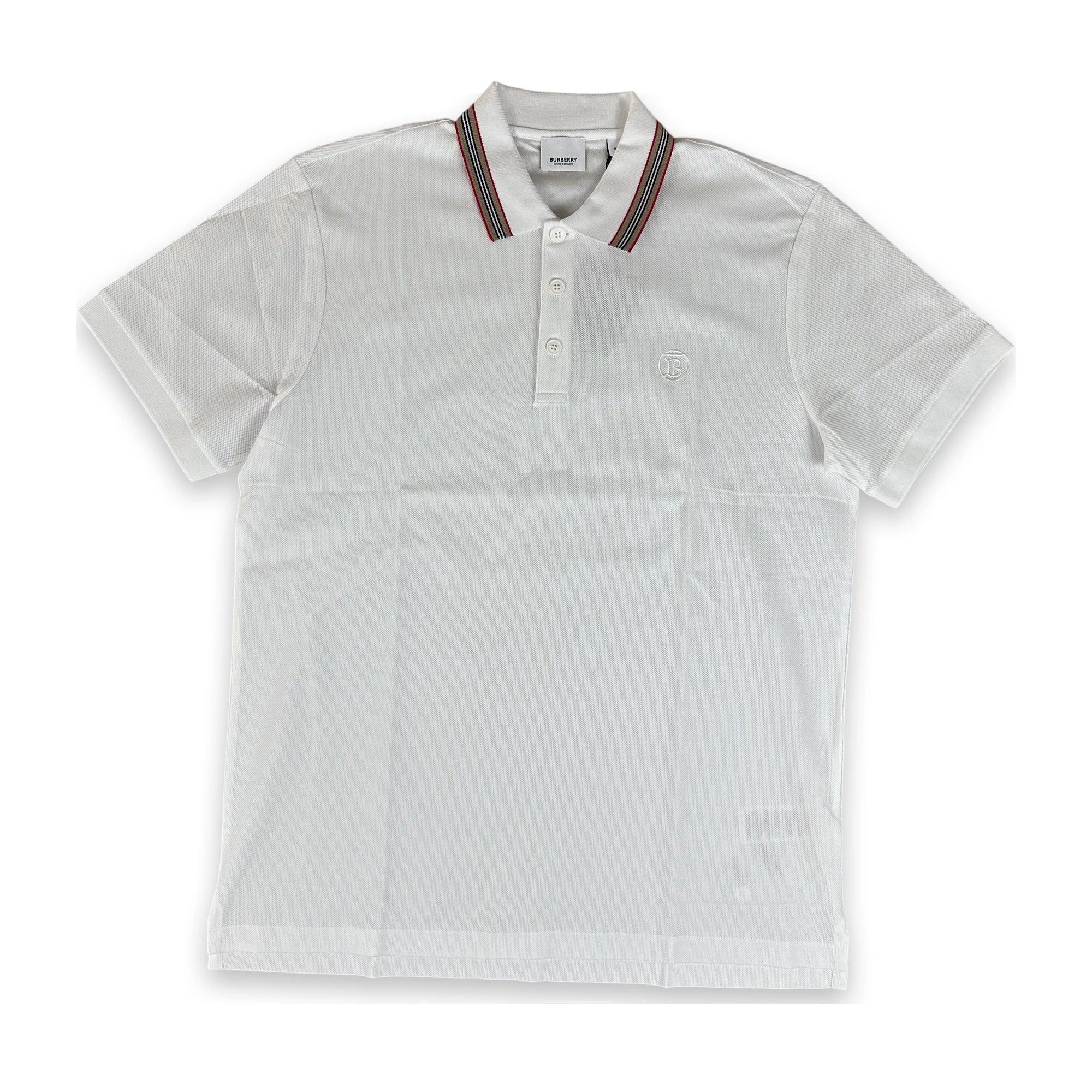
Is Burberry a Luxury Brand? Heritage, Quality, and Where It Really Sits
Written by Frank Struik
In this article
You see Burberry described as a luxury brand on one page, then find a used coat selling for a fraction of its original price on the next. That gap is confusing, and it's a fair reason to question what the brand actually is.
The resale market doesn't help. Outlet availability, comparisons with Hermès or Chanel, and the sheer range of Burberry's product line can all make it hard to read where the brand sits. If luxury means near-impossible to find and priced accordingly, Burberry doesn't always fit that picture.
Yes, Burberry is a luxury brand. It was founded by Thomas Burberry in 1856 and sits alongside names like Gucci and Bottega Veneta in the British luxury fashion space. What it isn't is an ultra-luxury house. Burberry sits a tier below Hermès or Chanel in terms of exclusivity and resale strength, and that's a real distinction worth understanding.
Lower prices on used Burberry clothing don't change its classification. Second-hand pricing reflects condition, season, and supply, not whether the original product was luxury. A used Burberry trench coat still started life as a piece of British luxury fashion.
This article breaks down Burberry's luxury status clearly: where the heritage comes from, what the craftsmanship actually delivers, how the pricing compares to other designer brands, and what the Burberry resale value tells you about its position in the market.
How to Judge Burberry's Luxury Status
Luxury is not a single fixed standard. It sits on a scale, and where a brand lands depends on how it performs across a set of practical criteria. Burberry scores well on most of them, though not equally across all five.
Here are the five factors worth measuring against any luxury brand claim.
- Heritage. Burberry was founded by Thomas Burberry in 1856. That puts it at over 160 years of continuous trading as a British fashion house. Heritage this deep is not common and gives the brand real credibility in the luxury space.
- Distinctive innovation. Burberry invented gabardine, a weatherproof fabric that changed how outerwear was made. That kind of material invention puts it in different territory from brands that simply trade on prestige.
- Burberry craftsmanship and product quality. Quality varies across the range. Core pieces like the trench coat use proper construction and materials. Entry-level accessories sit lower down the quality scale. Burberry craftsmanship at its best is genuine; across the full range, it is inconsistent.
- Burberry pricing strategy. Trench coats regularly price above £1,500 at retail. That positions the brand firmly in premium territory. Burberry's pricing strategy reflects its global brand strength, though it does not reach the upper ceiling occupied by houses like Hermès.
- Controlled desirability and resale performance. Burberry's resale value is strongest on its classic pieces, particularly the trench coat and check-printed items. More trend-driven seasonal pieces tend to lose value faster. Hermès controls distribution tightly and maintains scarcity across its full range. Burberry does not operate at that level of exclusivity.
The clearest way to read this is that Burberry qualifies as a genuine luxury brand by most meaningful criteria. It does not sit at the very top tier of the luxury hierarchy alongside Hermès or Chanel, but it occupies a well-established position in British luxury fashion that most brands will never reach.
Burberry
Burberry is a global luxury fashion brand with roots in British outerwear. Thomas Burberry opened his first shop in Basingstoke in 1856 and spent the following decades building a reputation around weather-ready clothing for the British climate. His invention of gabardine in 1879 was the technical breakthrough that separated the brand from its contemporaries. Gabardine is a tightly woven, breathable, and waterproof fabric that made functional outerwear possible without the stiff, heavy feel of earlier alternatives. That single innovation gave Burberry a product identity that no other British house has been able to replicate.

The trench coat became the brand's most recognised piece and remains so today. The construction involves stitched linings, D-rings, epaulettes, and a storm flap across the chest, each element originally designed for practical use rather than decoration. That functional origin is part of what separates a Burberry trench coat from simpler outerwear priced far lower.
Pros
- Over 160 years of continuous British heritage gives the brand genuine credibility in the luxury space.
- The gabardine invention provides a documented technical identity that most fashion houses cannot claim.
- Classic trench coats and check pieces hold resale value better than most comparable items at the same price point.
- Premium retail pricing, with trench coats regularly above £1,500, reflects a genuine luxury positioning.
- Strong global brand recognition supports value retention on core pieces.
Cons
- Burberry's quality is inconsistent across its full range. Entry-level accessories and licensed products sit well below the standard of its core outerwear.
- The brand is more accessible than ultra-luxury houses, which affects exclusivity perception.
- Trend-driven seasonal pieces lose value faster than the classic check and trench lines.
- Outlet availability and past brand dilution have raised questions about how tightly Burberry controls its own distribution.
Best for men who want a British luxury brand with a documented heritage, recognisable design identity, and a core product, the trench coat, that holds its value over time. If exclusivity at the Hermès level matters most to you, Burberry is not that. If you want established luxury with real craft history behind it, Burberry delivers.
Mulberry
Mulberry is the closest British comparison to Burberry in the accessible luxury space. The brand was founded in 1971 in Somerset and built its identity around leather goods rather than outerwear. Where Burberry's heritage sits in gabardine and trench coat construction, Mulberry's sits in bags, wallets, and small leather accessories made in England.
Some Mulberry bags are still made at its Somerset factory using thick, vegetable-tanned leather, which ages differently from cheaper alternatives and develops a patina over time. That construction detail matters because it explains why certain Mulberry pieces hold value and why the brand can credibly occupy a luxury position despite pricing that often comes in below Burberry's.
Pros
- English manufacturing on selected lines adds genuine provenance to the luxury claim.
- Thick leather construction on core bags supports durability and long-term resale value.
- Classic designs, particularly the Bayswater and Alexa, have demonstrated lasting demand on the second-hand market.
- Pricing often sits below Burberry, which makes entry to British luxury more accessible.
Cons
- Brand excitement has fluctuated, and second-hand prices reflect that inconsistency.
- Mulberry's identity is narrower than Burberry's. It is primarily a leather goods house rather than a full fashion brand.
- Pieces outside its core bag lines carry less resale strength.
- The brand lacks the global recognition that Burberry has built over a longer trading history.
Best for men who want a British luxury brand focused on leather goods, with manufacturing provenance and a more accessible price point than Burberry. Mulberry works well as a comparison when you want to understand where Burberry sits on the British luxury scale, but the two brands cover different product categories.
Hermès
Hermès represents a different tier of the luxury market entirely. The house was founded in Paris in 1837 and built its early reputation on equestrian leather goods before expanding into silk scarves, ready-to-wear, and accessories. What separates Hermès from brands like Burberry or Mulberry is not just craftsmanship quality. It is the degree of control the house maintains over supply, distribution, and access to its most sought-after products.
Hermès limits production on its Birkin and Kelly bags deliberately. Waitlists are long, allocations are controlled through purchase history, and the secondary market reflects that scarcity with premiums that can reach multiples of the original retail price. A Birkin in good condition regularly sells at auction for more than its retail price, sometimes significantly more. That dynamic does not exist for most Burberry products.
Pros
- Exceptional craftsmanship across the core range. Hermès's own artistic director, Pierre-Alexis Dumas, has put the handwork on a single Birkin at roughly 15 to 24 hours, with every bag made start to finish by one artisan.
- Strict distribution controls maintain genuine scarcity at the top of the product range.
- Resale premiums on Birkin and Kelly bags are among the strongest of any fashion product globally.
- The brand's longevity, over 185 years of trading, gives it an authority that very few houses match.
Cons
- Access to the most desirable pieces requires an established purchase history with the house, which creates a barrier that most buyers cannot easily clear.
- Entry pricing across the range is significantly higher than Burberry or Mulberry.
- The brand's identity is less relevant to casualwear or everyday use than Burberry's outerwear heritage.
- Hermès's exclusivity model makes it a poor comparison point for buyers looking at practical daily-wear luxury.
Best for buyers who prioritise exclusivity, scarcity, and resale performance above all else. Hermès sits at the top of the luxury hierarchy for a reason, but it serves a different purpose than Burberry. Using it as a benchmark helps clarify what Burberry is and what it is not, rather than suggesting the two compete on equal terms.
Where Burberry Sits in the Luxury Market
Burberry qualifies as an established luxury brand. Its 1856 founding, the gabardine invention, the carefully constructed trench coat, and its premium retail pricing all support that classification. The brand has sustained a recognisable identity across more than 160 years of trading, which puts it in a category that most fashion labels will never reach.
It does not sit at the top of the luxury hierarchy. Hermès maintains a level of scarcity, distribution control, and resale premium that Burberry does not match. Hermès Birkin bags can sell at auction for more than their retail price. Burberry's trench coats hold value well on the classic lines but do not operate in that territory. Mulberry offers the closest British comparison on leather goods, with genuine provenance from its Somerset manufacturing, though it covers a narrower product range and has less global recognition than Burberry.
The practical point worth remembering is that a specific item's material, construction, condition, and design matter more than the label alone. A classic Burberry trench coat in good condition tells a different story than a licensed Burberry accessory from ten years ago. Burberry at its best is genuine British luxury fashion. Burberry at its most accessible is premium designer clothing that sits well below that level.
Is Burberry a Luxury Brand?
Yes, Burberry is a luxury brand. The brand's founding in 1856, its British heritage, the gabardine invention, carefully constructed trench coats, recognisable check design, and premium pricing all support that classification clearly.
Burberry sits within established luxury rather than at the ultra-luxury tier occupied by Hermès or Chanel. That distinction matters because it explains why Burberry is more widely accessible in terms of price and availability, without removing it from the luxury category. Luxury has levels, and Burberry occupies a well-defined position within them.
Used Burberry clothing can sell for less than its original retail price because second-hand value depends on condition, age, style, and current demand. That is how resale markets work across all product categories, including those with significantly higher original prices. A lower second-hand price does not redefine where the brand sits in the market.
If you want British luxury fashion with a documented technical heritage, the trench coat as a core product, and premium craftsmanship on the strongest lines in the range, Burberry fits that description. Browse the Burberry collection at Casual Quarter to see past-season pieces at under retail price.
Burberry Luxury Brand FAQs
Is Burberry more expensive than Mulberry?
Burberry's core outerwear, particularly the trench coat, regularly prices above £1,500 at retail, which tends to sit above Mulberry's equivalent entry points. Mulberry generally occupies a more accessible position within British luxury, especially on its bag range. Prices vary by product and season, so a direct comparison depends on the specific item.
Does Burberry make quality clothing?
Yes, Burberry makes quality clothing, though the level varies across the range. Core pieces such as the trench coat use proper construction, durable materials, and careful manufacturing. Entry-level accessories and older licensed products sit at a lower standard. Burberry craftsmanship at its best is genuine. Across the full range, it is inconsistent.
Why is used Burberry clothing sometimes cheap?
Used Burberry clothing sells for less when condition, age, or style reduces demand for that specific piece. Second-hand pricing reflects how desirable a particular item is at a particular moment, not the original quality of the product. A classic trench coat in good condition holds value. A heavily worn or heavily discounted seasonal piece does not.
Does resale value prove a brand is luxury?
No, resale value alone does not prove luxury status, though it is one useful signal. Resale performance reflects supply, demand, condition, and cultural relevance at a given time. Hermès maintains exceptional resale premiums through deliberate scarcity. Burberry's resale strength is real on its classic lines but does not operate at that level. Heritage, craftsmanship, premium pricing, and controlled desirability together define luxury status more accurately than resale figures alone.
Before buying any Burberry piece, it is worth checking authenticity. Casual Quarter carries a 100% authenticity guarantee and an ART Number checker tool for verifying genuine stock. Find out more on the Casual Quarter FAQs page.