Preloved Stone Island: How to Buy Smart and Wear It Well
Geschreven door Frank Struik
In dit artikel
Stone Island sits at full retail for a reason. The fabrics are technical, the badge carries genuine cultural weight, and the pieces hold up over years of wear. But retail prices for new Stone Island outerwear regularly run past €450, and some limited treatments push well beyond that. For a lot of men, that number is hard to justify when the same jacket, a season or two old, is sitting in the preloved market in excellent condition.
The problem with buying second-hand Stone Island is that the market is messy. Listings vary wildly in quality, and it is not always obvious whether you are looking at a genuine piece, a well-worn item sold at an inflated price, or a fabric treatment that has already broken down. Judging authenticity, condition, and fair value from a few photos takes more knowledge than most buyers have when they start.
This guide cuts through that. It covers the styles most worth buying pre-owned, what to check for condition and fabric age, how to read authenticity signals, what fair prices look like across different categories, and how to wear pre-owned Stone Island today. If you want access to premium casualwear at under retail price without second-guessing every listing, this is where to start.
What Is Preloved Stone Island?
Preloved Stone Island is genuine Stone Island clothing that someone has already owned. The term covers the full range of the brand's output: jackets, knitwear, sweatshirts, trousers, T-shirts, and accessories. Buying pre-owned designer clothing gives you access to the same technical fabrics and construction as new, at a lower price.
Before you buy second-hand Stone Island, check 3 things.
- The seller's verification process. A verified retailer independently checks each item for authenticity and condition before listing it.
- Item condition. Ask for specific details on wear, fading, or any repairs, not just a general grade.
- Measurements. Stone Island fits vary across seasons. Check the actual garment measurements, not just the label size. Our Stone Island sizing guide breaks down what to measure and how fit varies by category.
If the seller cannot confirm how authenticity is checked, that is reason enough to look elsewhere.
Why Buy Preloved Stone Island
The case for buying pre-owned Stone Island comes down to 4 practical reasons: price, durability, access to older fabrics, and practical buying knowledge that makes the process lower-risk.
- Lower prices than new retail. Pre-owned Stone Island gives you access to the brand's technical clothing at prices that new retail cannot match. Decent pre-2015 shell jackets regularly sell for meaningfully less than their original retail price, while matching the same construction and fabric quality as new.
- Built to last. Stone Island's construction holds up. Older shell jackets, including Lightweight Soft Shell-R and Micro Reps, are durable garments that wearers describe as workhorses. Buying pre-owned does not mean buying something that is near the end of its life.
- Access to fabric treatments no longer in production. Current collections do not carry every fabric Stone Island has developed over four decades. The preloved market is where older technical treatments resurface.
- Crinkle Reps suits the second-hand market well. The fabric's textured surface can make minor imperfections less visible, which matters when you are buying from photos. It is a practical consideration, not just a style one.
Popular Stone Island Styles
Second-hand buyers tend to search by garment type rather than by season or collection. The categories below attract consistent interest in the preloved market.
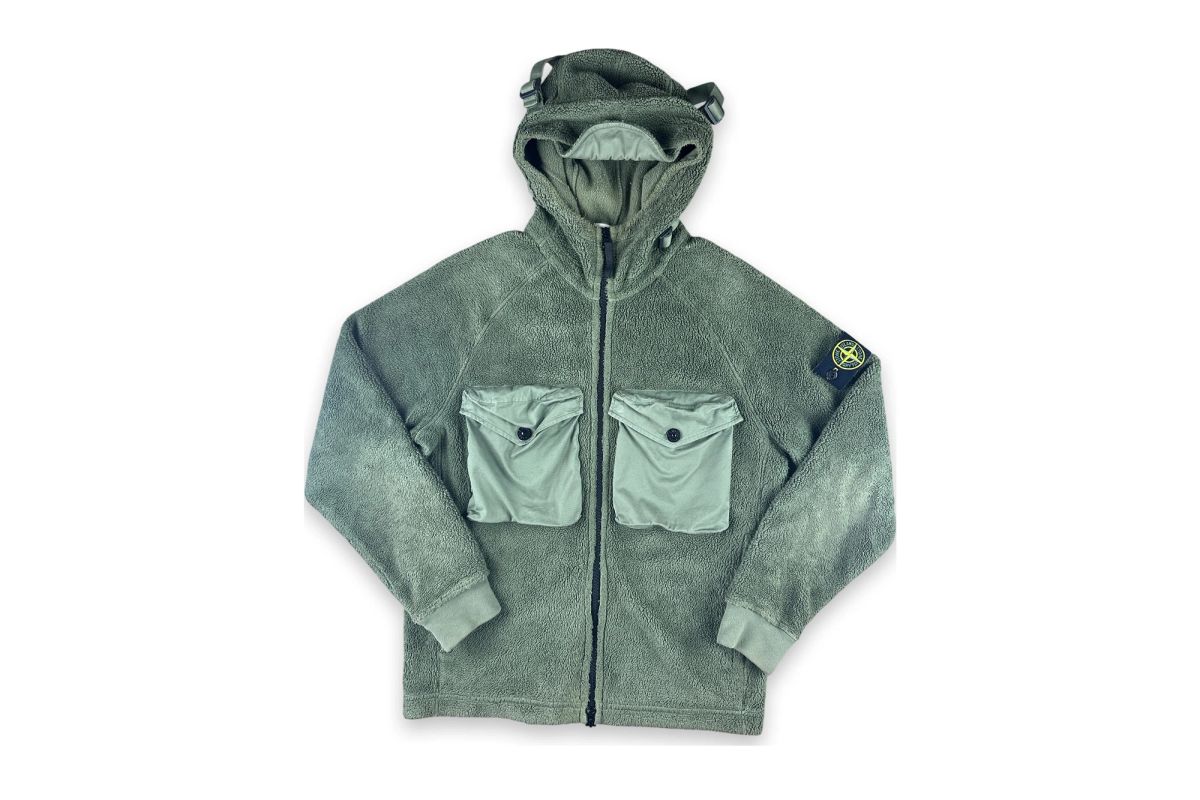
- Technical jackets. Shell jackets with Stone Island's fabric treatments are the most searched preloved category. Buyers value the functional construction and the treatments that give each fabric its own look and behaviour. Soft Shell-R, Micro Reps, and Membrana 3L pieces are among the most sought-after examples.
- Puffers and parkas. Warm outerwear with a strong technical identity. Crinkle Reps down puffers are a common example, and preloved pricing typically sits well below new retail for comparable pieces.
- Ghost pieces. The Ghost line makes the compass badge tonal, dyed to match the garment, for a quieter visual. Buyers who want the fabric quality without the prominent branding often head here first.
- Knitwear and sweatshirts. Easier entry points into the brand. The condition of knitwear is straightforward to assess: pilling, pulls, and seam wear are all visible, making second-hand knitwear a lower-risk buy.
- Cargo trousers and denim. Practical pieces that wear well over time and tend to sit at the more accessible end of preloved pricing.
- T-shirts and polos. The most accessible preloved Stone Island items by price. These are good starting points if you are new to the brand or want to test fit before committing to a jacket.
- Accessories. Bags, caps, and hats appear regularly in the preloved market and offer a way into Stone Island at a lower spend.
Preloved Quality and Condition
Stone Island's construction holds up better than most casualwear brands at the same price point. That does not mean every pre-owned piece is in strong condition. The brand's overall quality and the condition of the individual garment are two separate things, and buyers should treat them that way.
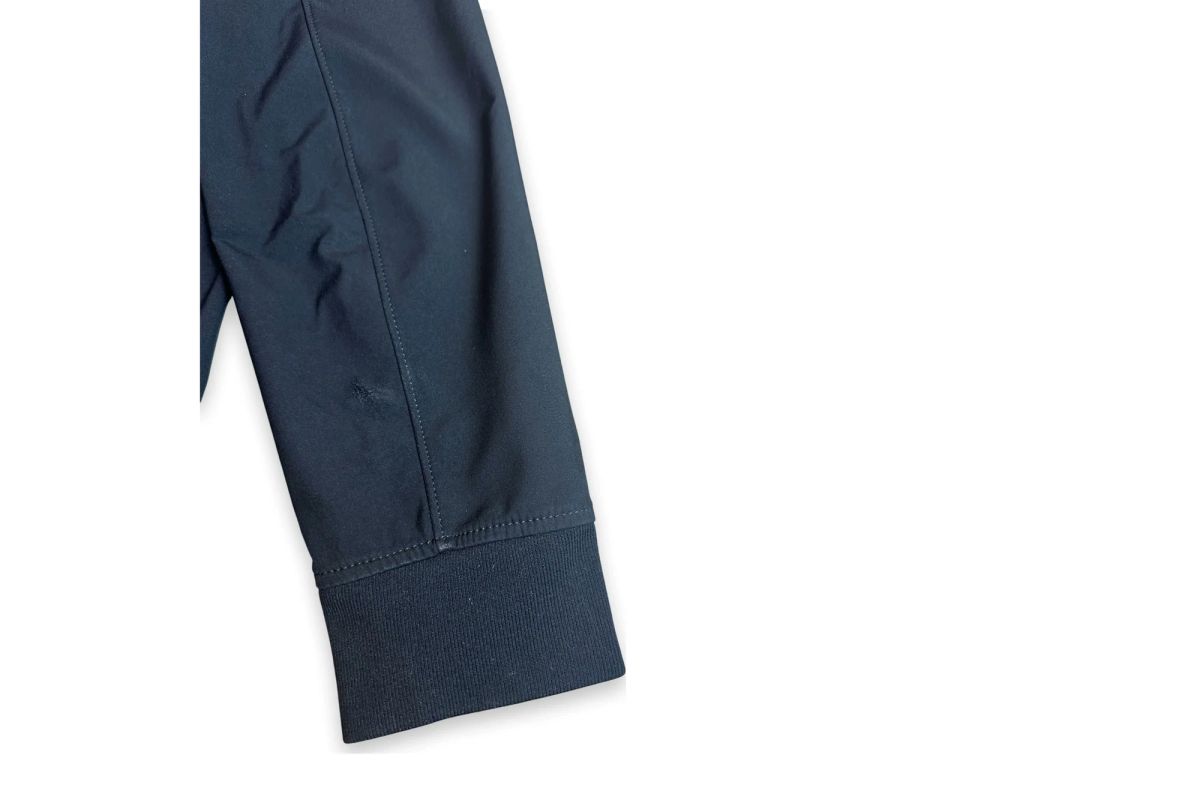
Check these points before committing to any preloved Stone Island piece.
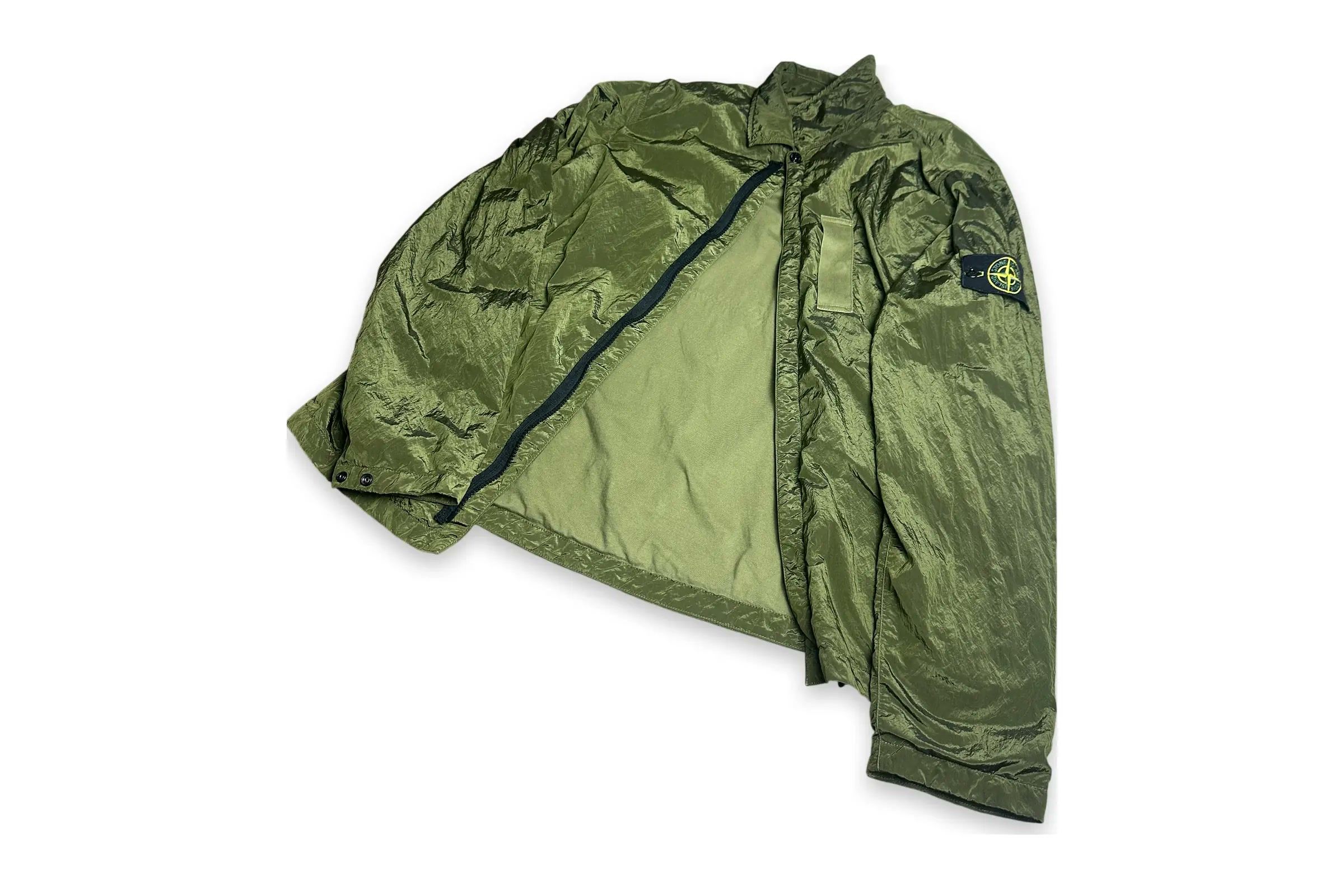
- Fabric-specific ageing. Different materials age differently. Crinkle Reps can hide minor surface imperfections due to its texture. Nylon Metal's metallic sheen, on the other hand, shows age quickly: scratches and dullness are hard to miss, so inspect those listings closely.
- Badge condition. The compass badge should sit flat and show clean stitching. Loose threads, fading, or damage to the badge often signals harder wear than the listing admits.
- Cuffs, zips, and seams. These are the first areas to show real wear. Ask for close photos of cuffs, zip pulls, and seam edges rather than relying on a full-length shot.
- Lining. Jacket linings can degrade faster than the outer shell, especially in pieces that have been worn regularly. Ask specifically whether the lining is intact.
- Odour. A listing that doesn't mention odour isn't necessarily clean. Ask directly if you're buying from an individual seller.
- Age as context, not condition. A pre-2015 jacket being described as old is not the same as it being in good condition. Age tells you about the fabric generation, not the wear history. The listing should describe visible condition clearly.
Stone Island Authenticity Checks
Authentic Stone Island pieces exist in the preloved market in real numbers. So do fakes. The strongest protection available to a buyer is choosing a seller whose verification process is transparent and independent.

Use this framework before buying any pre-owned Stone Island item.
- Start with the seller. A reputable retailer explains how it checks authenticity and condition before listing. If that process isn't described, that's a reason to walk away.
- Request detailed photos. Ask for clear images of the compass badge, neck label, wash and care label, product detail label, stitching quality, zip branding, and overall construction. One photo of the badge is not enough.
- Cross-reference known Stone Island details. Compare what you see against verified reference images, but don't rely on a single detail. One label, one badge colour, or one zip is not proof either way. Authentic pieces from different seasons and markets can vary.
- Check the practical information. Measurements, fabric composition, and season should all be stated. If a listing is vague on any of these, treat it as a warning sign.
- Read the listing critically. Missing photos, generic condition descriptions, pressure to complete payment quickly, and prices that sit unusually low are all reasons to look elsewhere.
Casual Quarter checks every preloved piece before it's listed, and you can independently verify eligible Stone Island pieces yourself: run the ART number through our free ART checker to confirm the season and style. For a closer look at the specific details that separate genuine from fake, including real side-by-side photos of stitching, labels, and badge proportions, see our guide to spotting a fake Stone Island.
Stone Island Value and Pricing
Stone Island holds its resale value better than most casualwear brands. That does not mean every preloved piece is fairly priced, and it does not make every older item worth a premium. Fair value depends on the garment type, fabric, condition, age, size, and whether the seller has verified authenticity.
This table shows how the key pricing factors interact across different preloved Stone Island categories.
| Factor | What it affects |
|---|---|
| Garment type | A technical jacket commands a higher price than a T-shirt or sweatshirt |
| Fabric | Tela Stella, older technical shells, and discontinued treatments attract more interest |
| Condition | Visible wear, badge damage, or lining issues reduce value regardless of fabric |
| Age | Pre-2015 pieces can command a premium for fabric quality, but only if condition supports it |
| Size | Less common sizes (very small or very large) can affect demand and price |
| Provenance | Seller verification and clear purchase history support a higher asking price |
Exact resale prices vary by listing and move with condition, fabric, and demand, so treat any single reported price as a snapshot rather than a benchmark. What stays consistent is the relationship: well-chosen pre-owned pieces sit meaningfully under their original retail price while matching the same construction and fabric quality.
When a higher price makes sense, there is usually a clear reason: scarce fabric treatment, strong documented condition, desirable construction, or a piece from a particularly valued season. Compare like-for-like listings. A technical jacket and a graphic T-shirt are not comparable price references.
Styling Preloved Stone Island
One strong Stone Island piece carries an outfit. The rest should stay simple. Older technical fabrics, distinctive colourways, and the compass badge already do the visual work, so the clothing around them doesn't need to compete.
Practical outfit ideas for wearing preloved Stone Island today.
- Technical jacket with straight-leg trousers and clean trainers. Keep the layers underneath plain, a simple sweatshirt or a fitted tee. The jacket is already the statement.
- Older outerwear over knitwear. If the fabric or colourway is distinctive, the layer underneath should be quiet. A plain knitwear mid-layer works well under any of the older shell treatments.
- Cargo trousers with understated knitwear or a clean overshirt. The combination reads as practical and considered rather than costume-like. Avoid stacking multiple logo pieces in the same outfit.
- Ghost pieces for a lower-key look. If you want Stone Island's fabric quality without the compass badge front and centre, the Ghost line gives you that. It sits easily alongside both casual and slightly smarter pieces.
- Let one piece lead. Whether it's a distinctive fabric, an older colourway, or the badge itself, pick one focal point and keep everything else neutral. That approach works for men who know the terrace connection and for men who simply want premium casualwear that looks considered.
Stone Island Cultural Context
Stone Island was founded in 1982 by Massimo Osti, who built the brand on military uniforms, workwear, and industrial fabric processes rather than sportswear. For the full founding story, the compass badge's terrace-culture history, and the brand's path to Moncler ownership, see our Stone Island origin guide.
Two things from that history matter specifically when you're judging a preloved piece.
- Fabric experimentation. Stone Island develops treatments and dyeing techniques that change how a fabric looks and behaves, including garment dyeing, where each piece absorbs colour slightly differently. That variation is intentional, not a flaw to avoid in a preloved listing.
- Collector appeal. Pieces that combine a distinctive fabric treatment, documented design history, and strong wearability attract buyers who care about what a garment is made from and why it was built that way. That's often what separates a preloved piece worth a premium from one that isn't.
Understanding that history makes it easier to judge whether an older preloved piece is worth the asking price, and whether it fits what you're actually looking for.
Key Takeaways
Buying preloved Stone Island well comes down to the same 5 decisions every time.
- Buy from a seller that explains its authenticity and condition checks. That verification process is your strongest protection in the second-hand market.
- Judge the garment's condition separately from the reputation of the brand. Stone Island builds durable clothing, but that doesn't mean every older piece is in good shape.
- Compare prices by garment type, fabric, age, size, condition, and provenance. A technical jacket and a graphic T-shirt are not comparable reference points.
- Choose a style that fits your wardrobe before chasing a rare fabric or older release. A well-worn piece in a useful style beats a rare fabric in a silhouette you'll never reach for.
- Browse Casual Quarter's preloved Stone Island collection for genuine past-season pieces, checked and graded before they're listed.
Browse Preloved Stone Island at Casual Quarter →
Preloved Stone Island FAQs
Is preloved Stone Island authentic?
Yes, genuine preloved Stone Island exists in significant numbers across the resale market. The key is choosing a seller that independently verifies authenticity and condition before listing. An unverified private listing carries more risk than stock reviewed by a retailer who knows the brand.
Which preloved Stone Island styles are most popular?
Technical jackets attract the most consistent interest, followed by puffers, parkas, and Ghost pieces. Knitwear, sweatshirts, cargo trousers, and graphic T-shirts are popular entry points at lower price levels.
Does pre-owned Stone Island quality compare with new?
Yes, pre-owned Stone Island can match new quality, depending on the garment and its wear history. The brand's construction is durable: pre-2015 shell jackets in particular are frequently described as built to last. Condition varies by piece, so always assess the individual garment rather than assuming brand quality alone covers it.
Why do preloved Stone Island prices vary so much?
Prices vary because the garment type, fabric treatment, age, condition, size, and seller verification all affect value independently. A technical shell in a discontinued fabric with strong condition commands a different price than a basic sweatshirt in average wear. Compare like-for-like listings rather than treating the brand name as the only pricing factor.