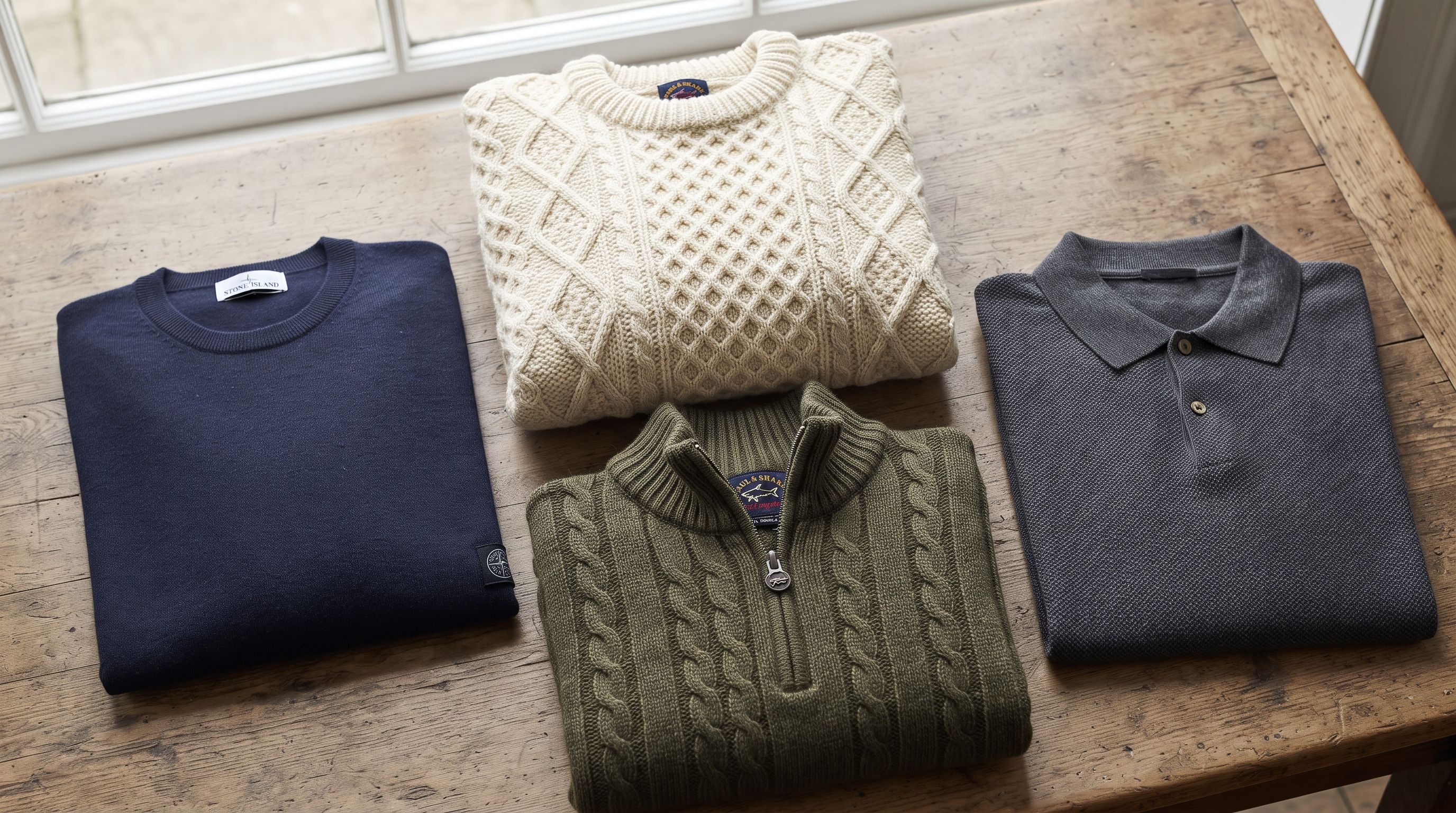
Knitwear 101: What to Know Before You Buy
Geschreven door Mariam Khubashvilii
In dit artikel
You already know what knitwear looks like. You've owned a jumper, thrown on a cardigan, or grabbed a crewneck on a cold morning without thinking about it. But when you're buying premium knitwear from designer brands like Stone Island, it helps to know what separates a cheap knit from a well-made one.
What is Knitwear, Really?
Knitwear is clothing made from loops of yarn, knitted rather than woven. Those loops are what give the fabric its stretch. Woven fabric works differently. The threads cross at fixed angles, so the fabric sits stiffer and moves less with your body.
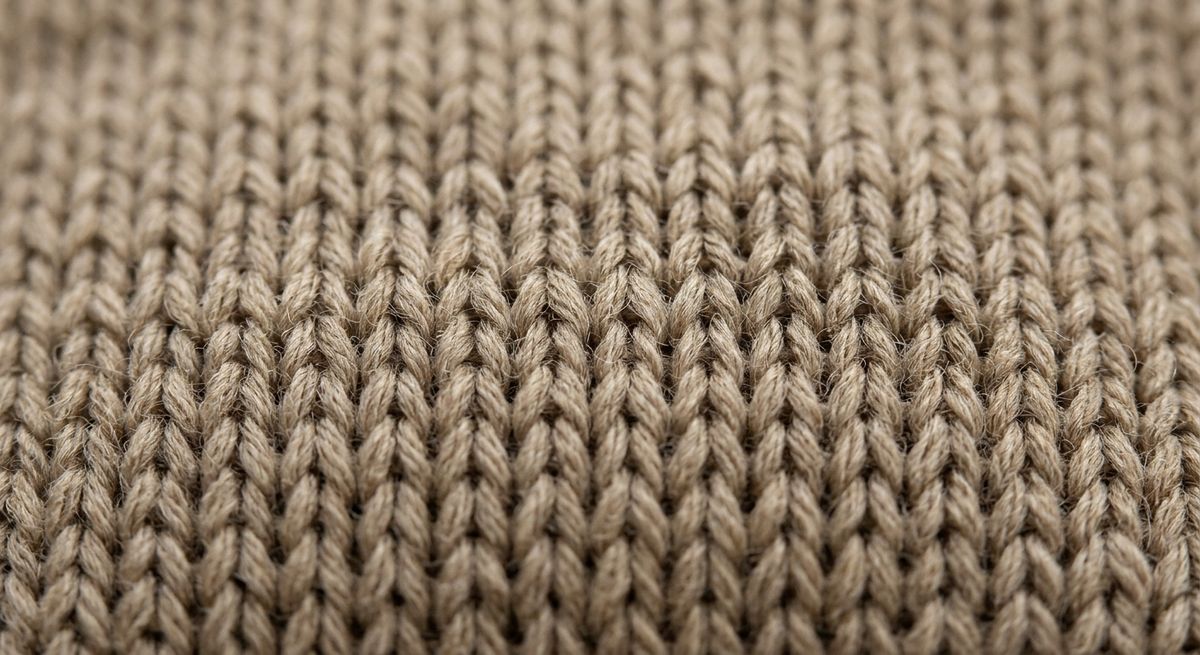
Not all knits are made the same. The fabric, the construction, and the yarn weight decide whether a piece lasts three winters or falls apart after three washes. If you've bought a jumper that looked great in the shop and bagged out by February, you've felt this already.
The yarn matters as much as the construction. Merino wool, lambswool, cashmere, and cotton each knit and perform differently. Merino regulates temperature and resists odour. Cotton breathes well but doesn't hold warmth the same way. Premium brands pick their yarn grades for hand feel, weight, and durability, and you can usually feel that from the first wear.
Types of Knitwear
The category covers more ground than most people expect. From lightweight layering pieces to heavy cold-weather staples, each construction type has a different structure, feel, and purpose.
What is Cable Knit?
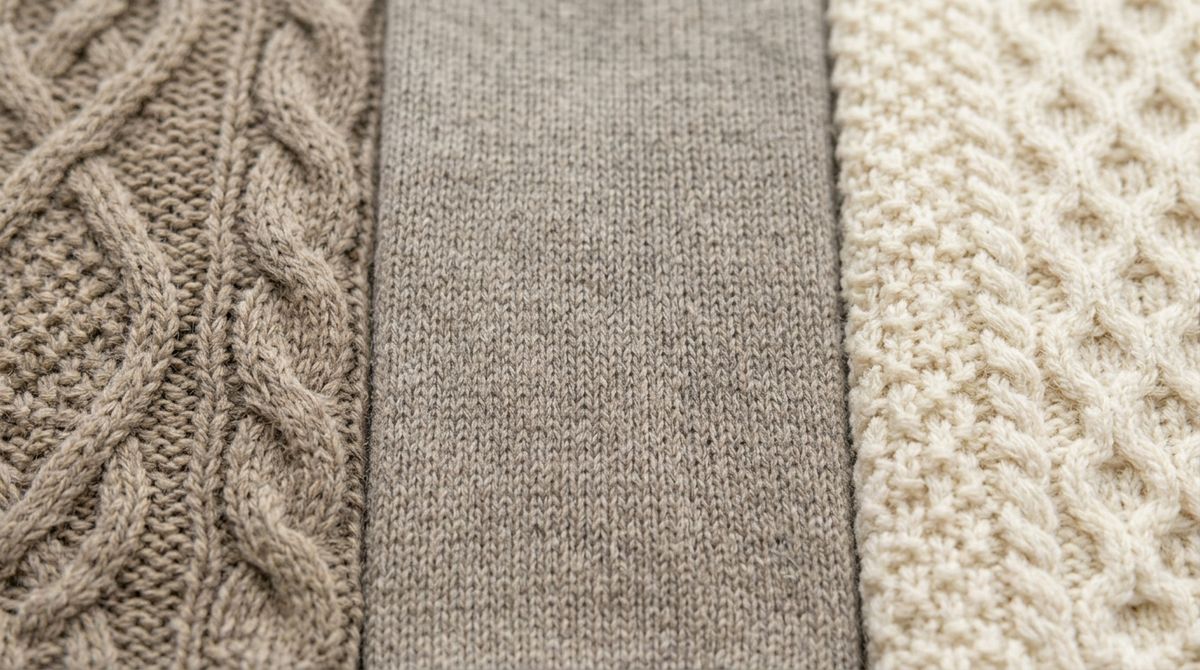
Cable knit uses a twisted stitch pattern that creates raised, rope-like columns across the fabric. The technique is closely associated with the Aran Islands fishing communities of Ireland, though similar twisted-stitch patterns appear in the older Guernsey "gansey" tradition of the Channel Islands. In both traditions, the raised stitching was a practical choice for warmth and weather resistance, not a style decision.
Today, cable knit reads as a classic. The texture is immediately recognisable and the weight tends to run heavier than other constructions, making it suited to autumn and winter. Paul & Shark produces cable knit pieces that carry that traditional construction with a more considered, modern fit.
What is Jersey Knit?
Jersey knit is the most common knit construction. It uses a basic single-stitch loop pattern to produce a smooth face on one side and a textured back on the other. The result is a lightweight, stretchy fabric that moves easily with the body.
Most T-shirts and fitted crewnecks use jersey construction. At the premium end, the difference comes from yarn quality and gauge rather than the stitch itself. A finer gauge jersey in merino wool sits very differently against the skin than a thick cotton jersey from a fast-fashion label.
What is Aran Knit?
Aran knit is a specific style of cable knitting that combines multiple textured stitch patterns across one garment. Cables, honeycomb, diamond shapes, and moss stitch are common. The name comes from the Aran Islands, and the original sweaters were knitted from unwashed wool that retained its natural lanolin, making them naturally water-resistant.
Modern Aran knitwear carries that heritage aesthetic without necessarily replicating the original construction. It works well as a standalone mid-layer or worn open over a shirt.
What is a Knitted Polo?
A knitted polo uses the same interlocked loop structure as any other knitwear, but cut and finished in the polo shirt silhouette with a collar and placket. The collar is typically a rib knit, which holds its shape better than a woven collar under similar conditions.
Knitted polos sit between casual and smart-casual in terms of formality. They work in warmer months as a standalone piece and in cooler seasons under a jacket or over a base layer.
Are There Benefits to Wearing Knitwear?
Knitwear isn't just warm. Both construction and materials give it practical advantages that woven fabrics don't replicate in the same way.
- The loop structure means the fabric moves with you, so there's no pull across the shoulders or tightness through the chest when you reach or bend.
- A fine-gauge merino knit traps body heat effectively without adding visible bulk under a jacket. You can layer it without looking like you're dressed for a hiking trip.
- A plain crewneck in navy or grey moves from weekend errands to a dinner without needing a wardrobe change, since the same piece works over a shirt or worn alone.
- Natural fibres like merino wool respond to body temperature, keeping you warm when you need it and cooler when conditions change.
- Premium knitwear from brands like Stone Island and Hugo Boss uses tightly spun yarn at carefully controlled gauges, which resists pilling and holds its shape over time in a way budget alternatives don't.
The comfort point matters more than people give it credit for. A well-fitting knit that moves properly and doesn't irritate the skin is genuinely more wearable across a full day than most other casual options.
How to Care for Knitwear
The difference between a knit that lasts five years and one that doesn't is almost always care. Most people treat knitwear as more durable than it actually is.
Washing
- Hand wash where possible using cool water and a detergent formulated for wool or delicates.
- If machine washing, use a gentle or wool cycle at 30°C or below.
- Turn the garment inside out before washing to reduce surface friction.
- Avoid high spin cycles, since they stretch and distort the fabric structure.
Drying
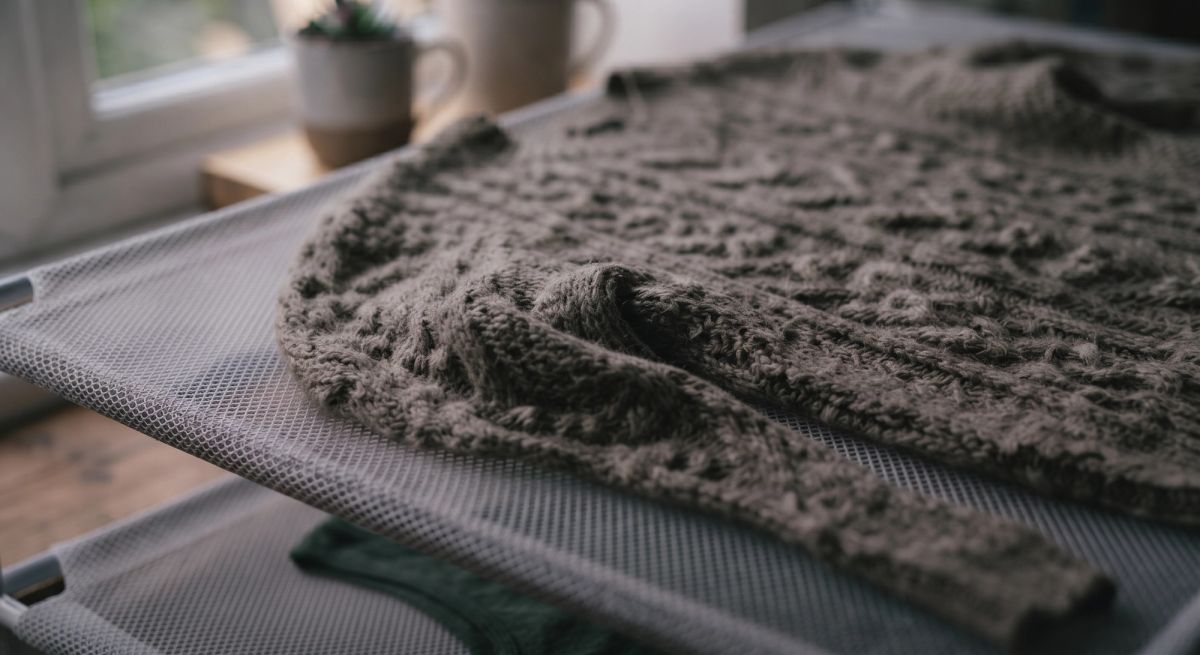
- Lay flat on a clean towel or a mesh drying rack.
- Avoid hanging a wet knit, since gravity pulls the shoulders out of shape.
- Reshape the garment while still damp so it matches the original dimensions.
- Keep it away from heat sources like radiators and out of direct sunlight, both of which can shrink or felt the fabric.
Storage
- Fold knitwear instead of hanging it, since hanging stretches the shoulders and body over time.
- Store pieces clean, since moths are drawn to lanolin in soiled wool fibres.
- Use cedar blocks or lavender sachets to deter moths without the chemical smell of mothballs.
Pilling
Pilling comes from friction. It isn't only a sign of lower-grade yarn. Even good merino pills in high-contact areas like the underarms and cuffs. A fabric shaver removes surface pills without damaging the underlying knit.
Historical Context of Knitwear
Knitwear has been around for centuries, but how it's worn and what it represents has shifted significantly.
Middle Ages
The craft itself appeared in Europe during the Middle Ages, initially as a practical trade. Early knitted garments, including stockings, caps, and gloves, were functional items made by skilled artisans. The Scottish fishing communities and the Aran Islands of Ireland both developed their own regional stitch traditions, and those patterns still influence knitwear design today.
19th and 20th Centuries
By the late nineteenth century, knitwear moved into sportswear. Tennis, golf, and cricket all adopted knitted whites and jerseys. Coco Chanel introduced jersey knit into women's fashion from around 1913, treating a practical material as something worth wearing intentionally. The men's side developed more slowly, but knitwear became standard in military and workwear applications throughout the mid-twentieth century.
The shift into fashion came clearly in the 1970s and accelerated through the 1980s. Designers began taking the construction seriously as a medium rather than just a fabric category. Wool blends gave way to cashmere, fine merino, and technical yarns. The silhouettes changed. Knitwear stopped being something you wore under things and became something you wore as a statement.
Today
The brands that define premium knitwear today built their reputations across that period. Paul & Shark, founded in 1975, built a range around high-performance wool and marine-grade construction. Hugo Boss developed tailored knitwear that sat between suiting and casual. Stone Island treated knitwear as a technical category alongside its outerwear, garment-dyeing knitted pieces to create the depth of colour the brand became known for.
That heritage isn't just a marketing story. It explains why the construction standards and yarn sourcing at those brands differ from what you find at lower price points.
The Unexpected Culture of Knitwear in Sports
Knitwear and sports culture have more overlap than most people expect. It goes well beyond team colours and club scarves.
Why Do Athletes Wear Knitwear?
Athletes wear knitwear because it moves with the body without restricting it. A well-constructed knit has natural stretch built into the fabric structure, which makes it more forgiving than woven alternatives during warm-ups, travel, and recovery. Merino wool in particular regulates body temperature, staying warm in cold tunnels and staying breathable under floodlights.
That practical side is what got knitwear into sports in the first place. What kept it there is style.
How Did Knitwear Become a Fashion Statement in Sports Culture?
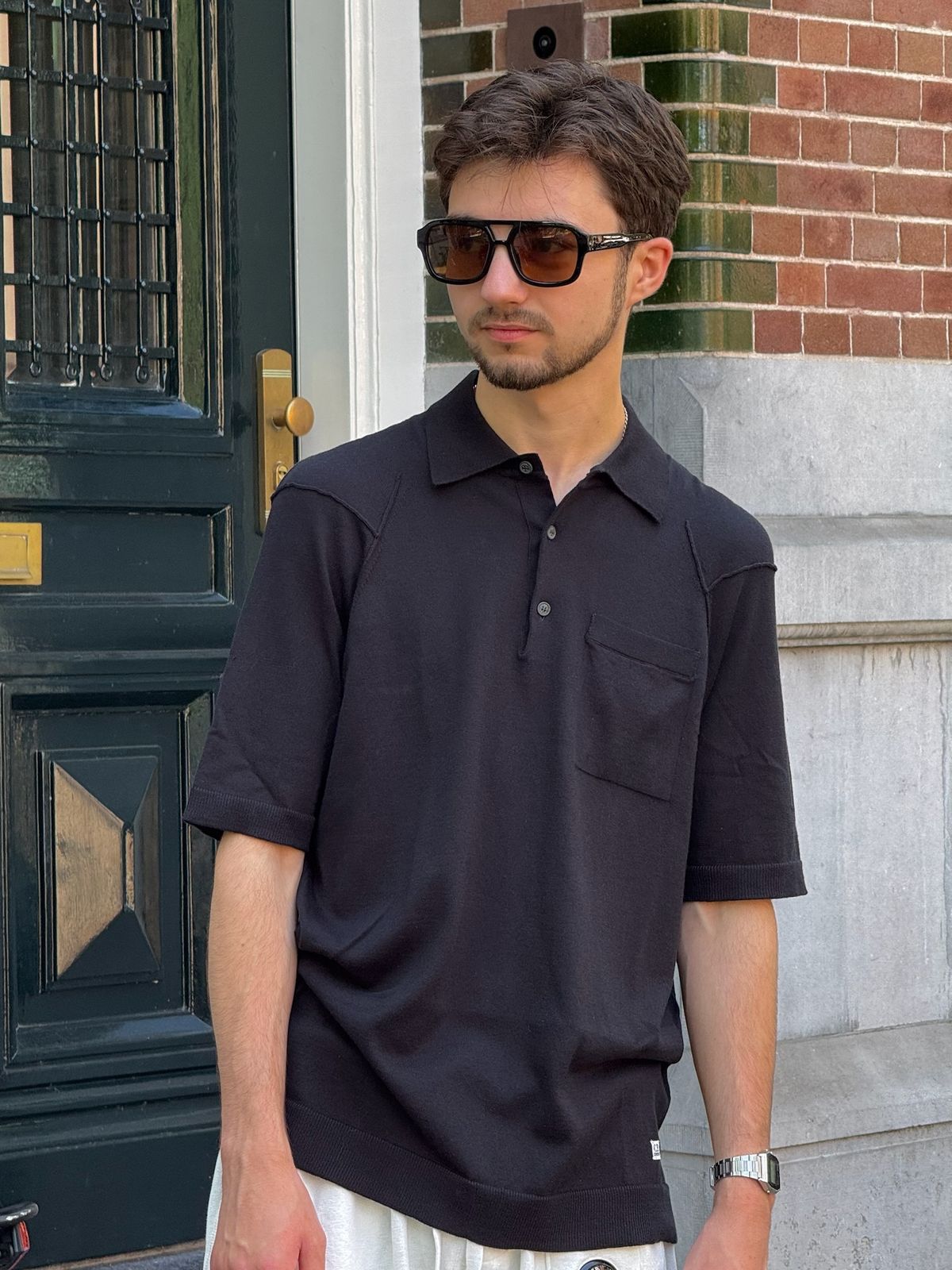
The shift happened gradually across European football, and the casual subculture that grew out of the terraces from the late 1970s onwards played a large part in it. Players and fans started wearing premium knits as part of a broader casual look that valued quality and brand recognition over logos and replica kits.
Brands like C.P. Company and Stone Island became part of that culture precisely because their knitwear read as considered rather than obvious.
Today, athletic knitwear sits comfortably at the intersection of performance and style. A merino crewneck worn pitchside or a cable-knit half-zip on the way to a match carries a different kind of signal than a training top. It says the person wearing it thought about it.
Do Sports Teams Use Knitwear in Their Kits?
Yes, many sports teams incorporate knitwear into their official and travel wardrobes, though the application varies by sport. Rugby has the longest tradition, with knitted fabric used in match jerseys for much of the sport's history. Football clubs have historically worn knitted wool in early kits, and the aesthetic still influences modern reissues and fan culture gear.
Off the pitch, knitwear shows up consistently in team travel wear, pre-match layering, and post-match casual dress, particularly in European club football where the standard of dress away from the stadium tends to run higher.
Final Thoughts
Knitwear covers more ground than most people realize when they first think about it. The construction method, the yarn type, the gauge, the stitch: each variable changes what you end up with and how it performs. A cable-knit wool crewneck from Paul & Shark and a cotton jersey knit from a supermarket are technically both knitwear. What separates them is everything that goes into making them.
If you're buying with quality in mind, focus on natural fibres, tight construction, and brands with a genuine track record in the category. Stone Island, C.P. Company, Paul & Shark, and Hugo Boss each approach knitwear differently, but all of them treat it as a serious product category rather than an afterthought.
Take care of what you buy and it will last. The pieces worth spending money on are the ones worth treating properly.
Browse the Casual Quarter jumpers collection to find designer knitwear from Stone Island, Paul & Shark, C.P. Company, and more, mostly past season, always under retail price.
FAQs
What Is Knitwear?
Knitwear is clothing made from interlocked yarn loops rather than woven threads. The loop structure gives knitted fabric its characteristic stretch and flexibility. Common knitwear includes jumpers, cardigans, crewnecks, and knitted polos.
What Are The Main Types Of Knitwear?
The main types are cable knit, jersey knit, and Aran knit. Cable knit uses twisted rope-like patterns and runs heavier. Jersey knit is the lightest and most common construction. Aran knit combines multiple textured stitch patterns into one garment.
Is Knitwear The Same As Woolwear?
No, knitwear and woolwear aren't the same thing. Knitwear refers to the construction method, meaning the interlocking loops, while wool refers to the fibre used. Knitwear can be made from wool, merino, cotton, cashmere, synthetic blends, or a combination of fibres.
How Do You Wash Knitwear Without Ruining It?
Hand wash in cool water with a wool-safe detergent, or use a gentle machine cycle at 30°C or below. Turn the garment inside out before washing and avoid high spin speeds. Lay flat to dry immediately after washing, reshaping while still damp.
How Do You Stop Knitwear From Pilling?
Turn the garment inside out when washing, avoid rough surfaces that create friction, and wash on gentle cycles. Pilling on good knitwear is normal in high-wear areas. A fabric shaver removes surface pills cleanly without damaging the underlying fabric.
What Is The Difference Between Cheap And Premium Knitwear?
Premium knitwear uses higher-grade yarn, such as finer merino, lambswool, or cashmere, spun more tightly and knitted at a closer gauge. That combination produces a denser fabric that holds its shape, resists pilling, and maintains its appearance over repeated wear and washing. Cheaper knitwear uses lower-grade yarn at a looser gauge, which looks similar on the hanger but wears down faster.
Which Knitwear Brands Are Worth Buying?
Stone Island, C.P. Company, Paul & Shark, and Hugo Boss all produce knitwear worth buying at the premium casual end. Each brand has a distinct approach. Paul & Shark leans on marine-grade wool construction, Stone Island applies garment-dyeing to knitwear, and C.P. Company favours technical yarns and functional detailing. All four treat knitwear as a core product category rather than a seasonal filler.