Football Casuals: Style, History, and the Brands That Built the Look
Geschrieben von Frank Struik
In diesem Artikel
- What Are Football Casuals?
- Origins of the Casuals Movement
- Fashion Influences and Style Markers
- Designer Brands and Quality
- Casual Quarter Brand Selection
- Everyday Casual Styling
- Football Culture and Personal Style
- The Casuals Movement in Popular Culture
- Authenticity and Brand Credibility
- Key Takeaways
- Football Casuals FAQ
Football casual style is one of the most copied looks in men's clothing. Most people who wear it couldn't tell you exactly where it started or why the brands matter. That's where the style gets flattened into something it isn't: a uniform with the wrong associations, or an expensive outfit worn without any feel for what makes it work.
The real picture is more interesting. Football casuals built a look around premium sportswear, knitwear, outerwear, and trainers at a time when that combination was genuinely new. The subculture brought designers like Stone Island and C.P. Company into everyday menswear long before they had mainstream exposure. Understanding that context makes it easier to wear the style well, and to separate what's worth keeping from what isn't.
This guide covers where football casual style came from, the clothing markers that defined it, the brands that became part of its identity, and how to wear designer casual menswear in a way that works for you. You don't need a connection to football culture to do any of it. You just need to know what you're looking at.
What Are Football Casuals?
Football casuals are a football-linked subculture defined by wearing expensive designer clothing and smart sportswear. The style developed from the mid-to-late 1970s and has influenced how men dress far beyond football grounds.
The football casuals meaning goes beyond the most obvious association. Yes, the subculture has a history tied to terrace culture. But the clothing side of it (the preference for European labels, understated fits, and quality over logos) is what most people are actually interested in today.
The style built itself around specific principles. Smart but not formal. Expensive but not showy. Recognisable to those who know, invisible to those who don't.
Early casuals favoured brands like Fred Perry and Pringle. European labels built on that through the late 1970s and into the 1980s, with C.P. Company joining the look later in that decade and Stone Island following after its 1982 founding. The emphasis was always on quality and a certain understated confidence in how a garment was put together.
What the casuals subculture produced, in fashion terms, is one of the most enduring templates for casual style for men. Plenty of people wearing designer casualwear today follow its logic without following football at all, and without much interest in the subculture's rougher reputation.
The football-casual identity and the clothing aesthetic are two separate things. You can follow one without the other.
Origins of the Casuals Movement
The casuals movement did not arrive fully formed. It grew out of a specific time and place, shaped by access to European clothing that most of Britain simply hadn't seen yet.
- Late 1970s, British north-west. The movement took shape among young football supporters in cities like Liverpool and Manchester. Football casual history starts here, not in London, and not in the 1980s.
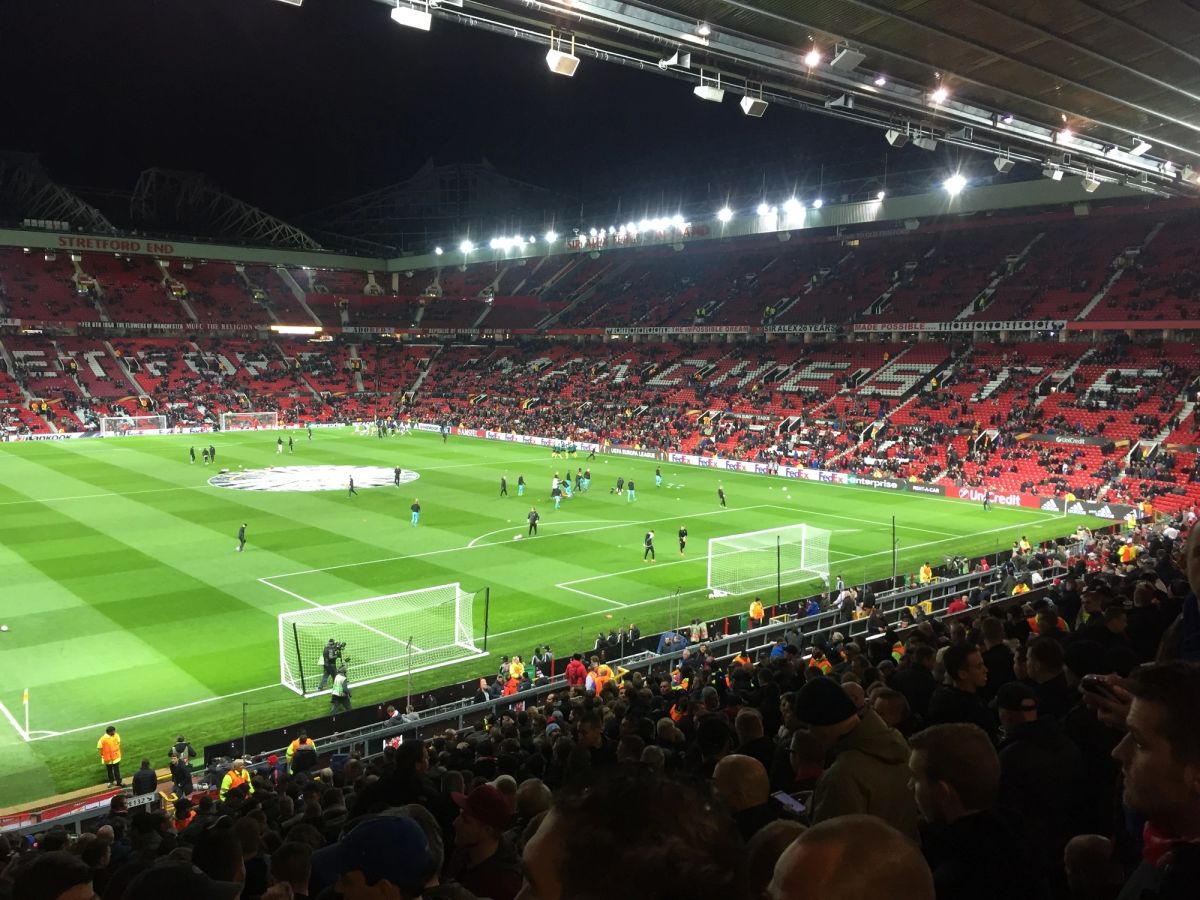
- European football travel as a supply route. Liverpool supporters following the club in European competitions during the late 1970s returned with sportswear from Italian and French boutiques (Fila, Ellesse, Lacoste) that wasn't available in British shops.
- Clothing as distinction. Wearing something expensive and European set these supporters apart. It looked nothing like football colours. That was part of the appeal.
- Early 1980s spread. The look moved across the British north-west and eventually into other cities, carried by word of mouth and matchday travel rather than magazines or advertising.
- A clean break from terrace dress. The smartness of the clothing was deliberate. Outfits looked like they belonged somewhere other than a football ground, which was exactly the point.
What separates the football casual history from other British youth subcultures is that the clothing came first. The aesthetic preceded the label. Young men in Liverpool were buying Italian sportswear because they liked it, not because someone told them it was the thing to wear.
Fashion Influences and Style Markers
Football casual fashion is not a uniform. The strongest outfits from the subculture's peak share certain qualities: restraint, fit, and a preference for technical or premium materials. The specific garments varied by city, year, and individual taste.
These are the clothing markers that defined the look and still inform it today.
- Smart sports shirts. Polo shirts and button-up sports shirts from brands like Lacoste and Fred Perry replaced replica kits. They looked polished without crossing into formal wear.
- Knitwear. Golf jumpers, crewnecks, and fine-gauge knits added texture and a cleaner layer than a standard sweatshirt. Pringle was one reference point. The principle was that knitwear should look considered, not casual by default.
- Technical outerwear. Jackets brought function and visual identity together. Weather protection, specific fabrics, and construction details mattered as much as the label on the arm. Stone Island's compass badge became one of the movement's most recognised markers.
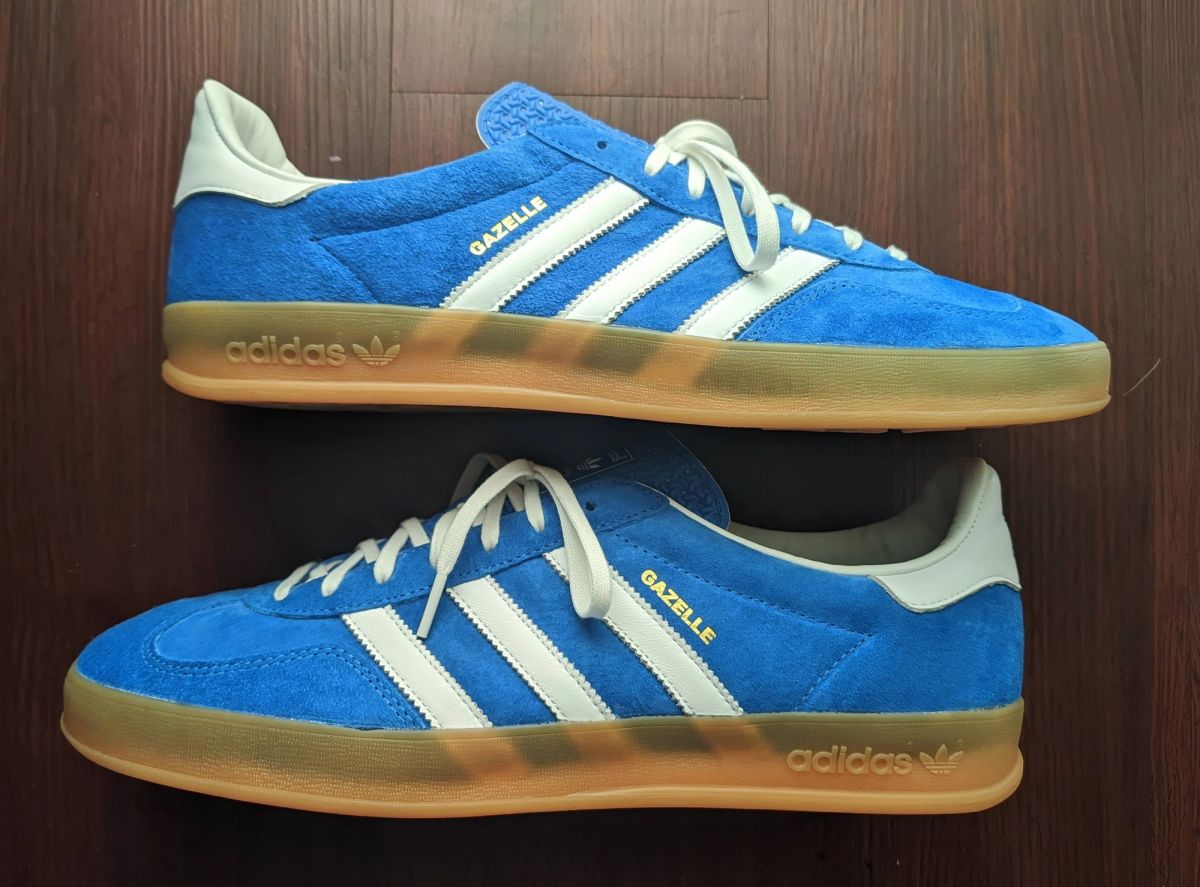
- Clean trainers. Adidas Gazelles, Trimm Trab, and Samba, among others. Trainers had to look deliberate rather than worn in. This was sportswear worn as footwear, not athletic equipment.
- Restrained branding. The best outfits kept visible logos to one or two pieces. Wearing several recognisable labels together usually read as less confident, not more.
- Fit over volume. Clothes should sit properly. Oversized pieces undercut the whole point of choosing a well-made garment.
The guiding logic behind football casual clothing is that quality should be legible to someone who knows, and invisible to someone who doesn't. That still holds. A well-chosen polo under a technical overshirt, with clean trainers and straight-cut trousers, communicates the aesthetic without announcing it.
Designer Brands and Quality
The brands matter in football casual style because they represent something specific: a decision to choose quality and technical detail over a logo that anyone can spot from across the room.

- Fred Perry and Pringle cover the smart sportswear and heritage knitwear end. Fred Perry's laurel wreath and Pringle's argyle patterns became recognisable shorthand for a certain kind of understated confidence.
- Ellesse, Fila, Lacoste, and Sergio Tacchini show where European sporting culture fed directly into the look. These labels came from tennis and skiing, not football, which was part of why they worked so well. They looked expensive because they were made to perform.
- Stone Island and C.P. Company represent the technical fabric and outerwear side. Massimo Osti founded both labels with a focus on fabric experimentation and garment dyeing. Stone Island's Tela Stella fabric and C.P. Company's goggle jackets were not marketing concepts. They came from genuine material innovation.
- Paul & Shark joined the look through the 1990s casual resurgence, bringing Italian nautical and technical outerwear into the same wardrobe as Stone Island and C.P. Company. Heavy knits and waterproof jackets built for sailing translated well to the terrace, and the brand has stayed part of terrace fashion since.
- Burberry had a more complicated run. The check turned up on terraces in the 1980s alongside Fred Perry, but it's the brand's second chapter that's better documented: the late-1990s expansion of the check across cheaper products turned it into such a hooligan cliché that one firm named itself after the brand. Burberry pulled the check from most of its range in 2006 specifically to shed that association, before bringing it back to the runway years later.
What connects these football casual brands is construction. The fabrics behave differently to high-street equivalents, the stitching holds under real use, and the fits are designed around a specific silhouette rather than a sizing chart. That's what makes a recognisable logo earn its place on a garment rather than simply justifying a higher price.
Wearing a Stone Island or C.P. Company piece without understanding what makes it different from a high-street alternative is possible, but the clothing rewards knowing. The fabric does something. The fit reflects a decision. The badge means the garment went through a process that most outerwear doesn't.
Casual Quarter Brand Selection
Casual Quarter carries past-season stock from four brands with real ties to the football casuals story, plus Hugo Boss for the rest of your premium casualwear wardrobe.
- Stone Island: the label most directly associated with the casuals movement, offering technical jackets, sweatshirts, and accessories made with Osti's original fabric-first approach. See the full origin story for the founding details.
- C.P. Company: technical outerwear and knitwear with a material-led design philosophy that connects directly to the casuals tradition. Read the full Goggle Jacket history for more on where that philosophy came from.
- Paul & Shark: Italian nautical and technical outerwear that joined the terrace wardrobe through the 1990s casual resurgence, alongside Stone Island and C.P. Company.
- Burberry: present from the 1980s wave, then dragged through a very public hooligan-cliché phase in the 2000s before the brand pulled the check back and later returned it to the runway.
- Hugo Boss: rounds out the range with clean, well-constructed casualwear that doesn't carry the same subcultural history.
Browse the full collection to see what's currently in stock across all five.
Most of the stock is past-season, which means the pieces are genuine and the prices sit under retail. That's not a workaround. It's a practical route into wearing the brands properly without paying full ticket price.
The range covers outerwear, knitwear, polos, shirts, and accessories. Browse by brand collection rather than individual product, since stock changes and the collections stay consistent over time.
If you're building a wardrobe around premium casualwear and want brands that have actual history in the style, Stone Island, C.P. Company, Paul & Shark, and Burberry are the ones worth starting with.
Everyday Casual Styling
Football-inspired casualwear works in everyday settings because the clothing was never designed exclusively for football grounds. It was designed to look good anywhere. Putting a strong outfit together means following the same logic the style's early adopters used: start with one good piece and build around it cleanly.
Weekend outfit.
- Start with a technical jacket or premium overshirt as the lead piece. A Stone Island or C.P. Company jacket does the work on its own. The rest of the outfit supports it rather than competing with it.
- Add a plain polo or fine-gauge knit underneath. Keep the base layer simple so the outerwear reads clearly.
- Wear straight-cut trousers with enough room for a clean line. Avoid anything that pulls attention away from the jacket.
- Finish with clean trainers. Classic Adidas silhouettes work, but any trainer that looks deliberate rather than worn-in will do the job.
Matchday outfit men.
- Use the same fit and quality logic as a normal weekend outfit. A matchday outfit should not look different from what you'd wear on a Saturday afternoon. That was the original point.
- A technical overshirt or knitwear layer works well over a polo. Practical for the weather, sharp enough to hold up anywhere.
- Stick to one visible piece of branding. Two at most. The outfit falls apart when every layer is doing the same work.
The principle across both settings is the same. One strong piece, clean supporting layers, and a fit that looks like a decision rather than an afterthought. Designer casual fits for men don't need to announce themselves. The quality does that.
Football Culture and Personal Style
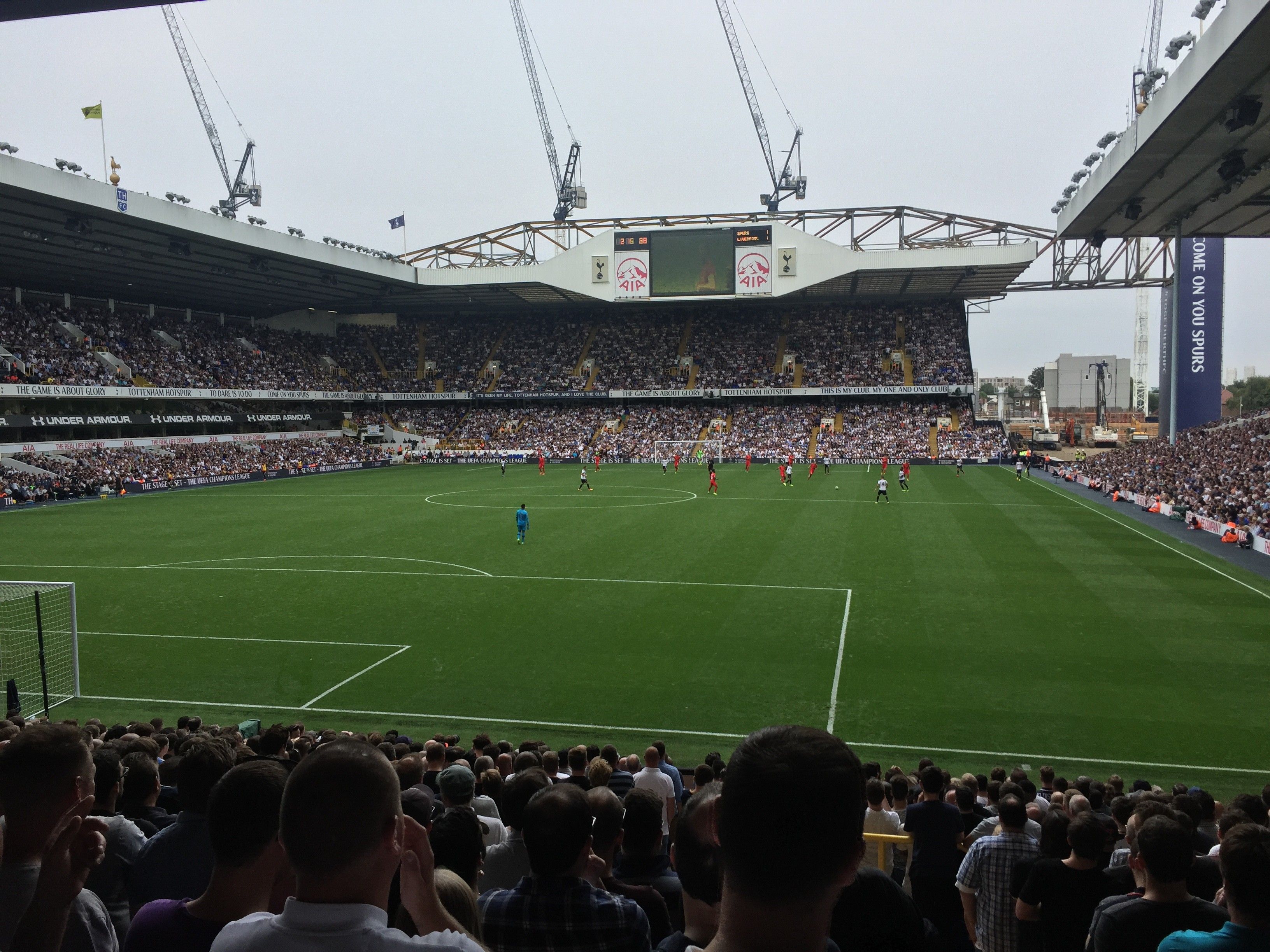
Football culture gave the casuals movement its setting, its distribution network, and a good deal of its early energy. Away days created the demand for clothing that looked expensive and different. Matchday travel spread the look between cities. The football ground was where you saw what other people were wearing.
That's the historical context. It isn't the only valid reason to wear the clothing.
- Football culture shaped the casuals movement. It did not set a permanent entry requirement for wearing the style.
- Some men follow the clothing because of the design, the material, and the brand history. The football connection is relevant background, not a compulsory identity.
- The term casuals carries different weight for different people. For some it's a precise subcultural reference. For others it's shorthand for a certain kind of premium, understated casualwear.
- Premium casualwear stands on its own. A C.P. Company jacket made with experimental fabric and a specific construction is a well-made piece of outerwear regardless of its subcultural associations.
- Wearing the style without adopting every part of its history is not inauthentic. It's how most subculture-adjacent clothing enters mainstream menswear.
The honest version of this is straightforward. Football-inspired style has produced some of the most enduring menswear references of the last 40 years. You can engage with those references seriously: understanding the brands, the fabrics, the silhouettes, without needing football as the justification. The clothing is worth knowing about on its own terms.
The Casuals Movement in Popular Culture
The casuals movement reached audiences well beyond football through film and television. That exposure helped make the style recognisable, but screen portrayals tend to emphasise conflict over clothing, which gives a partial picture of what the subculture actually looked like day to day.
These are the most documented portrayals.
- I.D. (1995): follows an undercover police officer drawn into terrace culture. The film depicts the clothing and group identity of the period with some accuracy, but the narrative centres on violence and manipulation.
- The Firm (1989): Gary Oldman plays a casual with a double life. The production design captures the mid-1980s look closely, and the film remains one of the more referenced screen depictions of the subculture.
- The Football Factory (2004): based on John King's novel, the film focuses on a group of Chelsea supporters. The clothing appears throughout, but the drama is built around fighting rather than style.
- Green Street (2005): an American student becomes involved with West Ham's firm. The film introduced casuals to an international audience, though its accuracy has been questioned by those familiar with the original subculture.
Photography and first-person documentation offer a broader view. Youth culture archives from the 1980s show the clothing in everyday use: at markets, on high streets, on public transport, rather than in moments of confrontation. Films provide context for how the public came to recognise the style, but they shouldn't replace the documented history of what the clothing actually looked like and where it came from.
Authenticity and Brand Credibility
Buying past-season designer casualwear at under retail prices is straightforward when you know what to check. The garment quality, fit, and construction of a genuine Stone Island or C.P. Company piece are immediately different from an imitation, but it helps to verify before you order.
Here's what to look at before buying authentic designer casualwear.
- Check the seller's authenticity policy. A clear, published guarantee is the first signal that the retailer takes provenance seriously. Casual Quarter offers a 100% authenticity guarantee across its stock.
- Use the ART Number checker where available. Eligible Stone Island pieces carry an ART Number that can be verified directly. This is one of the most reliable ways to confirm a genuine garment.
- Review the garment details. Check the material composition, construction notes, and any condition information the seller provides. Past-season does not mean damaged. It means the piece is from a previous collection, which is why it's available under retail.
- Check sizing carefully. Designer brands size differently from high-street equivalents. Look at the specific measurements rather than assuming a standard size translates directly.
- Compare fabric, construction, and price together. A genuine past-season piece from a premium brand will still reflect the quality of its original price point. If a deal looks too far below what that brand typically sells for, verify it before buying.
Casual Quarter's 100% authenticity guarantee and ART Number checker for eligible stock give buyers a practical way to shop past-season designer clothing with confidence. Browse by brand collection to find current stock across Burberry, C.P. Company, Hugo Boss, Paul & Shark, and Stone Island.
Past-season stock is how most men find a way into designer casualwear at a realistic price. Knowing what to check means you get the genuine garment, at a price that makes sense, without having to wait for a full retail sale.
Key Takeaways
Football casuals produced one of menswear's most enduring style templates. Here's what to take from the history and how to use it.
- The movement began in the British north-west in the late 1970s and early 1980s, shaped by Liverpool supporters who returned from European football travel with Italian and French sportswear unavailable in British shops.
- European sportswear defined the early look: labels like Fila, Ellesse, Lacoste, and Sergio Tacchini gave the style its visual language before Stone Island and C.P. Company became central to it.
- Designer brand appeal goes beyond the logo. The brands associated with football casual fashion (Fred Perry, Pringle, Stone Island, C.P. Company) earned their status through construction, fabric, and fit. That's still what makes them worth wearing.
- The clothing markers are practical references. Smart sportswear, technical outerwear, quality knitwear, clean trainers, and restrained branding remain relevant to premium casualwear for men today.
- Football culture is part of the history, not an entry requirement. You can engage with the style seriously: understanding the brands, the materials, and the silhouettes, without needing football as the reason.
Explore Casual Quarter's current range across Burberry, C.P. Company, Hugo Boss, Paul & Shark, and Stone Island, all past-season stock at under retail price.
Football Casuals FAQ
What are football casuals?
Football casuals are a subculture that emerged from British football culture, defined by wearing expensive designer clothing and smart European sportswear rather than team colours. The clothing aesthetic has outlasted the subculture's peak and continues to influence men's casual style.
When did football casuals begin?
The movement developed in the late 1970s and early 1980s in the British north-west, with Liverpool supporters among the first to bring European sportswear back from the club's away fixtures in continental competitions.
Which brands are linked with football casual style?
Fred Perry, Pringle, Lacoste, Fila, Ellesse, and Sergio Tacchini were central to the early look, with Burberry present from the same era. Stone Island and C.P. Company became prominent through the 1980s, Paul & Shark joined during the 1990s resurgence, and all three remain closely associated with the style today.
Do you need to follow football to wear the style?
No. The clothing and the subculture are separate things. Many men wear premium casualwear influenced by the casuals aesthetic because they value the design, fabric, and brand history. Football is useful context, not a requirement.
How can you build a football-inspired casual outfit?
Start with one strong outerwear or knitwear piece, add a plain polo or base layer, wear straight-cut trousers, and finish with clean trainers. Keep visible branding to one or two pieces and let the fit do the work.
How can you check authenticity when buying past-season designer clothing?
Look for a published authenticity guarantee from the retailer, use an ART Number checker for eligible Stone Island pieces, review garment condition and material details, and check specific measurements rather than assuming standard sizing. Casual Quarter offers a 100% authenticity guarantee across its range.